How does the mammalian respiratory system function?
.
Accordingly, how does the respiratory system work in animals?
Your respiratory system is all about exchanging gases with the environment. Some animals such as amphibians are able to exchange gases through their moist skin. You have two lungs and the exchange of gases between the circulatory and respiratory systems happens in the lungs.
Also Know, what are the 4 main functions of the respiratory system? The chest wall consists of the muscles of respiration—such as the diaphragm, the intercostal muscles, and the abdominal muscles—and the rib cage. The functions of the respiratory system include gas exchange, acid-base balance, phonation, pulmonary defense and metabolism, and the handling of bioactive materials.
Keeping this in consideration, how does the respiratory system function?
The respiratory system is what allows us to breathe and exchange carbon dioxide for oxygen. The primary organs of the respiratory system are the lungs, which carry out this exchange of gases as we breathe. The lungs work with the circulatory system to pump oxygen-rich blood to all cells in the body.
What are the 5 main functions of the respiratory system?
Top 5 Functions of the Respiratory System: A Look Inside Key Respiratory Activities
- Inhalation and Exhalation Are Pulmonary Ventilation—That's Breathing.
- External Respiration Exchanges Gases Between the Lungs and the Bloodstream.
- Internal Respiration Exchanges Gases Between the Bloodstream and Body Tissues.
What is the structure of the respiratory system?
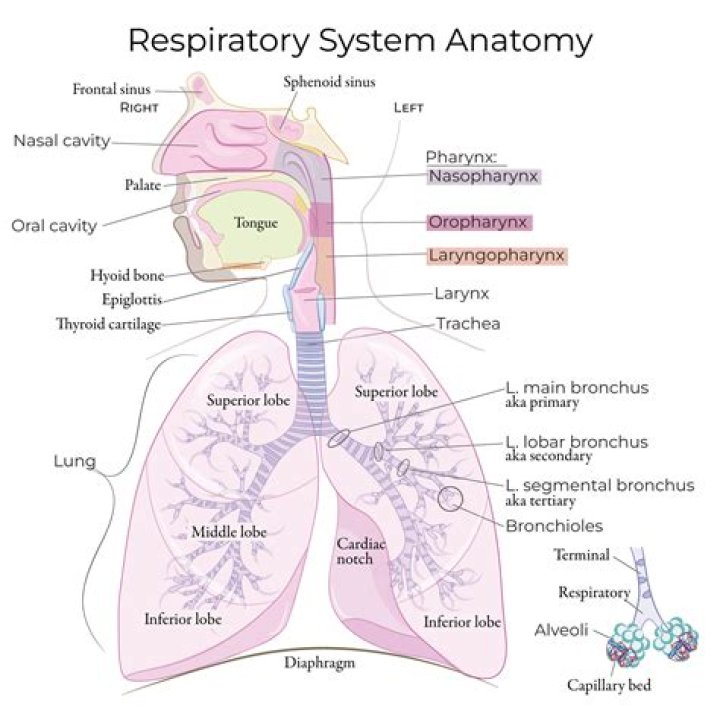
There are 3 major parts of the respiratory system: the airway, the lungs, and the muscles of respiration. The airway, which includes the nose, mouth, pharynx, larynx, trachea, bronchi, and bronchioles, carries air between the lungs and the body's exterior.How does the respiratory system work with the skeletal system?
The skeletal system is like a metal shield covering the body. This system helps the respiratory system by protecting the lungs. The circulatory system is very useful. This system transports the food nutrients, and oxygen to the body cells.Why is the respiratory system important?
These include the nose, pharynx, larynx, trachea, bronchi and lungs. The respiratory system does two very important things: it brings oxygen into our bodies, which we need for our cells to live and function properly; and it helps us get rid of carbon dioxide, which is a waste product of cellular function.Do plants have a respiratory system?
Plants do require oxygen for respiration which in return give out carbon dioxide. Unlike animals and humans, plants do not have any specialized structures for gaseous exchange but they have stomata (present in leaves) and lenticels (present in stems) which are involved in the exchange of gases.What is meant by respiratory system?
The respiratory system is the set of organs that allows a person to breathe and exchange oxygen and carbon dioxide throughout the body. An example of respiratory system is the human's nasal passages, larynx, trachea, bronchial tubes and lungs. YourDictionary definition and usage example.What is another name for the respiratory system?
The respiratory system (also respiratory apparatus, ventilatory system) is a biological system consisting of specific organs and structures used for gas exchange in animals and plants.How does the respiratory system produce energy?
Glucose and oxygen react together in cells to produce carbon dioxide and water and releases energy. The reaction is called aerobic respiration because oxygen from the air is needed for it to work. Energy is released in the reaction. The mitochondria , found in the cell cytoplasm, are where most respiration happens.How do animals get glucose?
Plants form glucose by photosynthesis and animals get glucose by breaking down the food they eat. During cellular respiration, glucose combines with oxygen to release energy and to form carbon dioxide and water. Most of the carbon dioxide in animals is released into the air when the animal breathes.What is the main process of the respiratory system?
The primary organs of the respiratory system are the lungs, which function to take in oxygen and expel carbon dioxide as we breathe. The gas exchange process is performed by the lungs and respiratory system. Air, a mix of oxygen and other gases, is inhaled. In the throat, the trachea, or windpipe, filters the air.What are the major functions of the respiratory system?
The respiratory system is made up of more than just the lungs; it also includes your nose, throat, larynx, windpipe, bronchi, alveolar ducts, and respiratory membrane. The function of the respiratory system is to deliver air to the lungs.What is the respiratory system simple?
The respiratory system, also called the gas exchange system, is the body getting rid of carbon dioxide and taking in oxygen. Carbon dioxide, a waste product, goes out of the body. Inhalation means bringing air rich in oxygen into the body. Exhalation means giving out air rich in carbon dioxide from the body.What are the 5 diseases of the respiratory system?
The Top 8 Respiratory Illnesses and Diseases- Asthma.
- Chronic Obstructive Pulmonary Disease (COPD)
- Chronic Bronchitis.
- Emphysema.
- Lung Cancer.
- Cystic Fibrosis/Bronchiectasis.
- Pneumonia.
- Pleural Effusion.
What is the function of the respiratory system quizlet?
The primary function of the respiratory system is to supply the blood with oxygen in order for the blood to deliver oxygen to all parts of the body. The respiratory system does this through breathing. When we breathe, we inhale oxygen and exhale carbon dioxide.Where is the respiratory system located?
The respiratory system is divided into two main components: Upper respiratory tract: Composed of the nose, the pharynx, and the larynx, the organs of the upper respiratory tract are located outside the chest cavity.What are respiratory diseases?
A type of disease that affects the lungs and other parts of the respiratory system. Respiratory diseases include asthma, chronic obstructive pulmonary disease (COPD), pulmonary fibrosis, pneumonia, and lung cancer. Also called lung disorder and pulmonary disease.Can I live with one lung?
Living with one lung doesn't usually affect everyday tasks or life expectancy, though a person with one lung wouldn't be able to exercise as strenuously as a healthy person with two lungs, said Dr. Len Horovitz, a pulmonologist at Lenox Hill Hospital in New York City.What are the 10 parts of the respiratory system?
What makes up the respiratory system?- Nose.
- Mouth.
- Throat (pharynx)
- Voice box (larynx)
- Windpipe (trachea)
- Airways (bronchi)
- Lungs.
How do we keep the respiratory system healthy?
7 ways to improve your respiratory health- Stop smoking and stay away from secondhand smoke.
- Avoid indoor and outdoor air pollution.
- Avoid exposure to people who have the flu or other viral infections.
- Exercise regularly.
- Eat a healthy, balanced diet.
- Maintain a healthy weight.
- See your doctor for an annual physical.