What is pitting on metal?
.
Similarly, it is asked, what causes pitting on metal?
For a defect-free "perfect" material, pitting corrosion is caused by the ENVIRONMENT (chemistry) that may contain aggressive chemical species such as chloride. Chloride is particularly damaging to the passive film (oxide) so pitting can initiate at oxide breaks.
Likewise, what is pitting on stainless steel? Pitting corrosion is a form of localized corrosion, which produces attacks in the form of spots or pits. Pitting corrosion may occur in stainless steels in neutral or acid solutions containing halides*, primarily chlorides (Cl-), such as seawater.
Also asked, how do you fix pitted metal?
Clean
- Wrap a sheet of 80-grit sandpaper around a sanding block and sand the pitted area aggressively.
- Wipe the sanding dust off the metal with a rag.
- Scrub the metal with a wire brush to remove rust particles from inside the pits and wipe off the particles with a dry rag.
Can stainless steel become pitted?
Stainless steel is a durable material, but it can become pitted if it is not maintained properly. This may happen when using a strong cleaner such as bleach. If your stainless steel is lightly pitted, it is still usable. Clean stainless steel with mild cleaners to prevent damaging the finish.
Related Question AnswersWhat is pitting in metal?
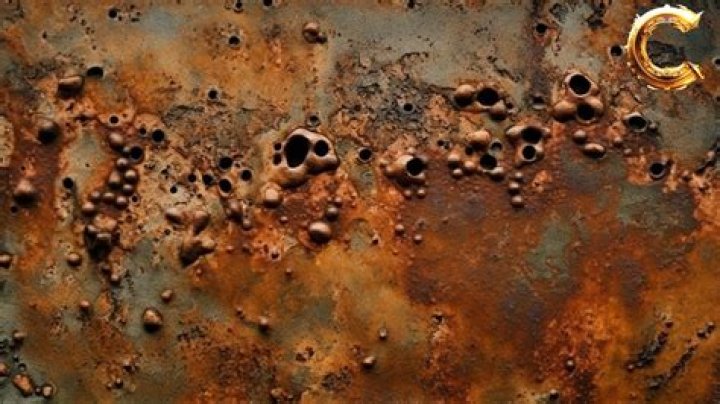
Pitting corrosion, or pitting, is a form of extremely localized corrosion that leads to the creation of small holes in the metal.How do you stop pitting in aluminum?
Painting, anodizing or any surface treatment that forms a coating on the aluminium surface will protect the surface from pitting attack. In applications when you want to preserve the aluminium look and still have a surface resistant to pitting, a clear coat or thin anodic coating would be suitable surface treatments.What is the difference between pitting and crevice corrosion?
Similar to pitting corrosion, crevice corrosion is initiated with the breakdown of stainless steel's protective oxide film and continues with the formation of shallow pits. It is important to remember that crevice corrosion can occur at lower temperatures than pitting corrosion.What is pitting and crevice corrosion?
4 Pitting and Crevice corrosion are forms of localised corrosion, which means that the corrosion occurs in a limited area on the pipe. The corrosion rate is often high and is generally higher than that for uniform corrosion, due to a large cathode/anode ratio.What causes corrosion of stainless steel?
Stainless steel can contain other elements such as nickel and manganese, but chromium is the key element which makes it rust resistant. When stainless steel is exposed to oxygen, chromium oxide is created on the surface of the steel because chromium has a very strong affinity for oxygen.What are the types of corrosion?
There are five general types of corrosion: galvanic, stress cracking, general, localized and caustic agent corrosion. Galvanic corrosion is extraordinarily common, and occurs when two metals with different electrochemical charges are linked via a conductive path.What causes stainless steel pits?
Chemically what causes the etched pits to appear is that the chlorine from the salt attacks the passive film of chromium oxide that normally protects the surface of stainless steel. Stainless steel gets its corrosion resistant properties through the addition of chromium.What is metal corrosion?
Corrosion is a natural process that converts a refined metal into a more chemically-stable form such as oxide, hydroxide, or sulfide. It is the gradual destruction of materials (usually a metal) by chemical and/or electrochemical reaction with their environment.How do you fix pitted Chrome?
Rub lightly with 1,000-grit paper using a circular motion. Rub until all signs of pitting have disappeared. Wipe with damp cloth and then pat until dry. Rub lightly and briskly with 0000 fine steel wool until tiny scratches left by the 1,000-grit paper have disappeared.Can you Bondo over rust?
Rust. Body filler is not good for rust repairs. You cannot slather some Bondo over rust and expect it to stop the rust or stick to it for that matter. If there are holes in the metal, you are much better off cutting it all out, patching it with new metal, and then working the body filler from there.Can you sand rusted metal?
Sand away rust with sandpaper. Choose sandpaper or sander in the 50-grit range to remove heavy rust. When the rust is removed, finish sanding with an extra fine grit paper, like a 400-grit wet/dry polishing sandpaper. After removing the rust, you may need to re-seal or paint the metal to prevent future corrosion.How do you fill holes in metal before painting?
Dip a piece of 400-grit wet or dry sandpaper in water. Wrap the sandpaper around a rubber sanding block and sand the area smooth. Allow the metal to dry completely. Apply two coats of rust-inhibiting paint to the patched area, or paint the entire doorto ensure a uniform paint finish.What causes pitting in chrome plating?
The two most common causes of pitting and services in a hard chrome plating bath are contaminants on the surface of the part and sticking bubbles.How do you smooth out rough metal?
Use the 220-grit sandpaper and begin to smooth the edges of the metal using light strokes. As the rough edges are removed, switch to finer-grit sandpaper. Use a polishing pad once the metal is smooth to remove any metal dust and bring out the shine of the metal.How do you paint pitted aluminum?
I generally wet-sand exposed aluminum with 80-grit wet-or-dry paper. If the aluminum is pitted, you will need to use a wire brush to remove as much oxide as possible from the pits. After you clean the bare aluminum, fill significant pitting with an epoxy filler such as Marine Tex.How do you stop your wheels from pitting?
How to Stop Chrome Rim Pitting- Wash the rims with liquid laundry or dish detergent and water to remove any dirt or grime. Let the rims dry for a few hours, or wipe them dry with a clean rag.
- Locate the pitted areas using your fingers. Sand the affected areas with 180-grit sandpaper.
- Apply high quality chrome polish to the rims.
- Shine your rims.