What is a collapsed foot?
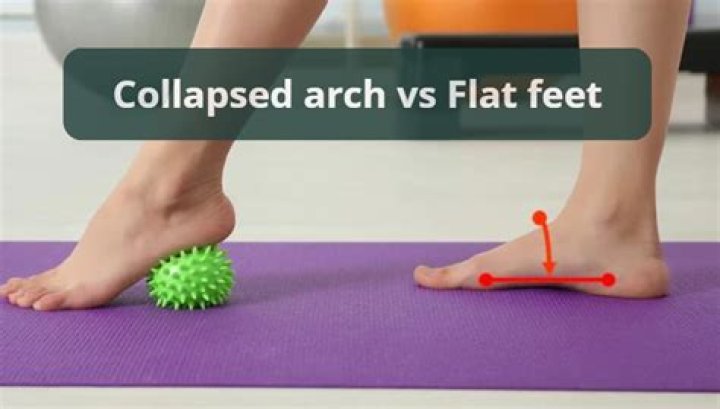
.
Similarly, it is asked, why does my foot collapse?
Damage to the posterior tibial tendon is the most common cause of AAFD. The posterior tibial tendon is one of the most important tendons of the leg. The main function of this tendon is to hold up the arch and support your foot when you walk. If the tendon becomes inflamed or torn, the arch will slowly collapse.
Also Know, how do you treat fallen arches? Treatment for Flat Feet and Fallen Arches
- Rest and ice to relieve pain and reduce swelling.
- Stretching exercises.
- Pain relief medications, such as nonsteroidal anti-inflammatories.
- Physical therapy.
- Orthotic devices, shoe modifications, braces, or casts.
- Injected medications to reduce inflammation, such as corticosteroids.
Also know, can a collapsed foot arch be fixed?
Usually, both feet are affected, but it's possible to have a fallen arch on only one foot. This may help to correct other issues in your body that have been caused by flat feet. Here are some exercises you can do to help correct fallen arches and reduce pain. Aim to do these exercises at least three times per week.
Can flat foot be cured?
Arch supports won't cure flatfeet, but they often reduce symptoms. Stretching exercises. Some people with flatfeet also have a shortened Achilles tendon. Exercises to stretch this tendon may help.
Related Question AnswersWhat are the stages of Charcot foot?
Recognizing the 3 Stages of Charcot Foot- Stage 1 (Acute) – This initial stage extends from development to fragmentation.
- Stage 2 (Subacute) – In the second stage, the damaged bones being to coalesce (come together).
- Stage 3 (Chronic) – The final stage of Charcot foot is one of reconstruction and consolidation.
Are Fallen Arches permanent?
Achilles tendinitis (inflammation of the Achilles tendon) and knee pain are common consequences. The cause and treatment of flat feet differ based on the person's age. Flat feet in children will often resolve without intervention, while "fallen arches" in adults tend to be permanent and non-reversible.Is flat feet a disability?
Otherwise, known as flat feet, Pes Planus is a condition of the foot in which the arches on the inside of your foot are flattened, allowing the entire sole of your foot to touch the ground when you stand up. Essentially, this is a very common condition among most veterans looking to claim VA disability benefits.What causes a collapsed arch?
Most cases of fallen arches develop when the main arch-supporting tendon (the posterior tibial tendon) becomes weakened or injured, causing the arch to gradually become lower. Common problems associated with fallen arches include plantar fasciitis, tendonitis, increased fatigue and arthritis of the foot and ankle.How do I fix my foot pronation?
Over-Pronation can be treated conservatively with orthotic insoles that are designed with appropriate arch support to prevent the over-pronation. Stability shoes that feature a firm heel counter and wide soles help reduce over-pronation, as well.Is there surgery for flat feet?
Flat foot reconstruction surgery is carried out to relieve pain and restore function in people whose foot arches are very low and where orthotics have not helped. Problems may be caused by a deformity, damage to the tendon that supports the arch or arthritis in the joints around the heel.What is a collapsed arch in your foot?
A fallen arch or flatfoot is known medically as pes planus. The foot loses the gently curving arch on the inner side of the sole, just in front of the heel. If the arch disappears in both foot positions — standing and elevated — the condition is called rigid pes planus or rigid flatfoot.Should I wear orthotics all the time?
It can take up to 4 weeks before you actually feel completely comfortable wearing your orthotics all day long. We also suggest you do not wear them for any strenuous physical activity until you feel completely comfortable with wearing your orthotics all the time.Is flat feet genetic?
Causes. Common causes of flat feet include: genetic factors, as flat feet can pass from parents to children in the genes. weak arches, meaning that the arch is visible when a person sits but the foot flattens onto the ground when they stand.What happens when your arches fall?
Fallen arches are a condition of the feet that can cause pain and discomfort. Normally, you should see an arch in the bottom of your foot. Sometimes, the tendons do not pull as they should, which results in the condition of fallen arches. If you have fallen arches, your feet may look flat.How common are high arches?
High Arch Feet Problems Cavus foot can develop at any age, though it's most commonly inherited at birth. WebMD reports that high arch feet are inherited by 68% of women, and 20% of men. 99% of women under 60 with the disorder inherit it from their parents, as do 63% of men.Can orthotics fix flat feet?
If flat feet are causing pain, then supportive, well-fitted shoes can help. Fitted insoles and orthotics or custom-designed arch supports may relieve pressure on the arch and reduce pain if the feet roll too far inward. However, these products only treat the symptoms and do not provide long-lasting benefits.Is a fallen arch painful?
That pain could be a symptom of fallen arches — a change in the tendon that normally provides stability for walking and support for the foot's arch. The earlier this problem, known as posterior tibial tendon dysfunction, is identified, the more likely that noninvasive treatment will help.Why do my feet feel numb and tingly?
A person may feel numbness in their legs and feet due to sitting in a position that puts too much pressure on the nerves or reduces blood flow. Long-term numbness or a tingling feeling in the legs and feet may be due to conditions such as multiple sclerosis (MS), diabetes, peripheral artery disease, or fibromyalgia.What are common foot problems?
This article will highlight some of the most common foot concerns, their causes, and when to seek treatment.- Athlete's foot. Share on Pinterest Athlete's foot is most commonly caused by walking in damp areas.
- Bunions.
- Diabetic neuropathy.
- Ingrown toenails.
- Plantar fasciitis.
- Blisters.
- Corns.
- Heel spur.